Knowledge Base
Finance knowledge for entrepreneurs in Brainport
Practical articles on applying, structuring and negotiating — written from regional hands-on experience, not from a product brochure.
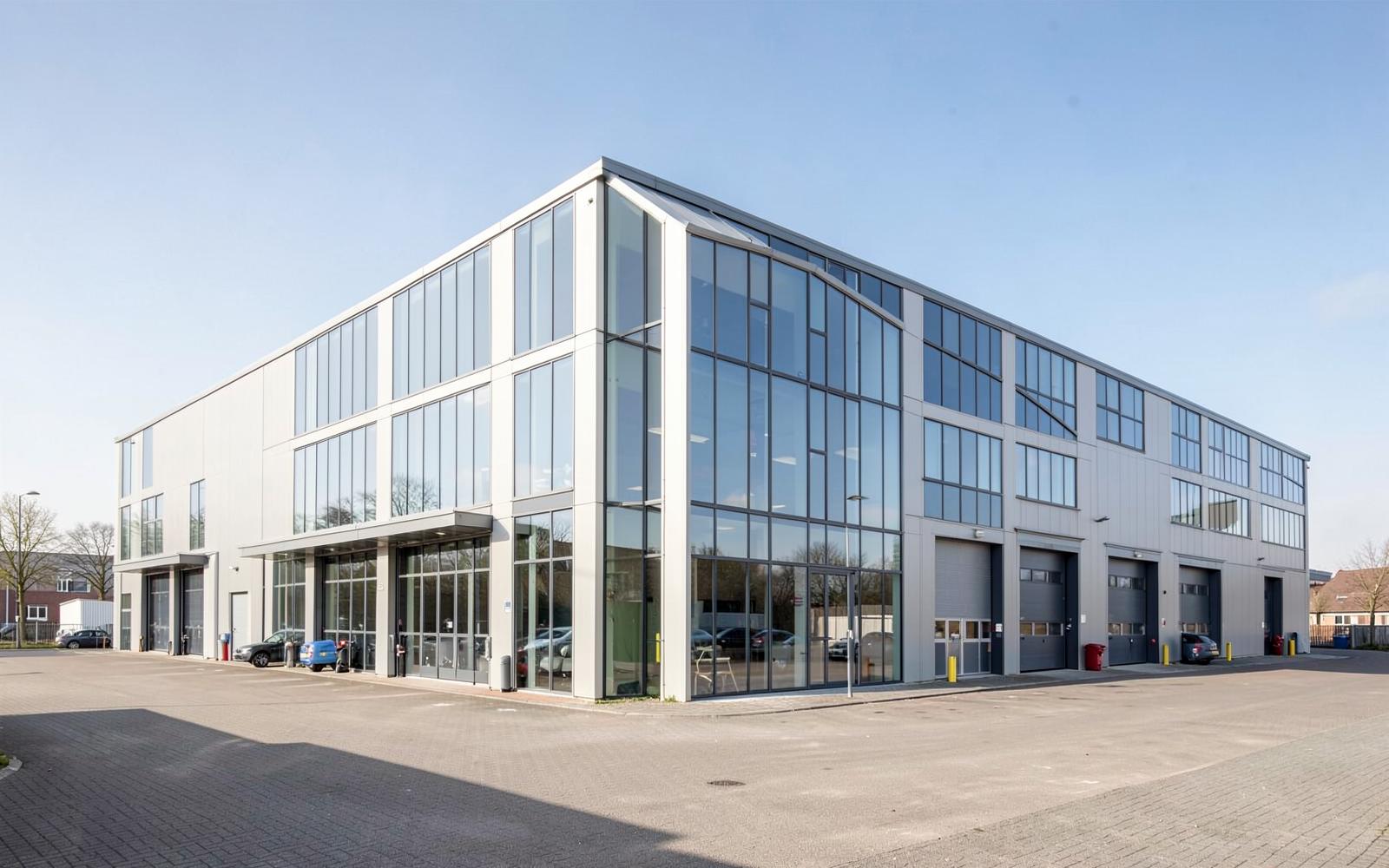
Renting or buying commercial premises: the calculation and strategic consideration
Renting or buying commercial property is not just a calculation, but also a strategic choice about flexibility, growth and building equity.
22 October 2026 · 7 min read time
39 articles
Stacking sustainability investments: EIA, MIA/Vamil, BMKB-Groen and bank financing
Making your business sustainable becomes more affordable when you align tax schemes, guarantees and bank financing properly instead of applying for them separately.
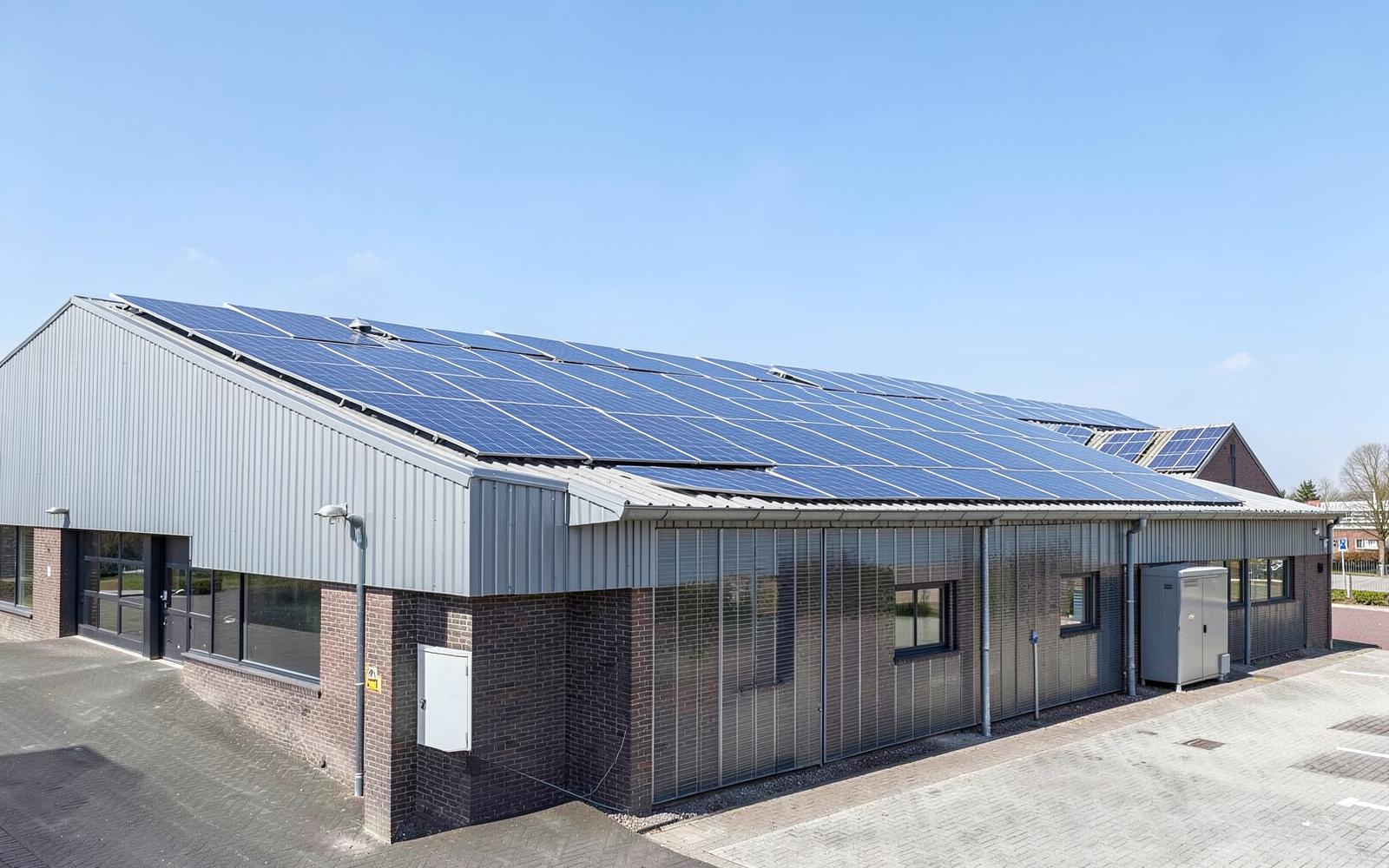
Grid congestion in Brainport: financing solar panels and battery storage
Grid congestion in Southeast Brabant is forcing companies to consider on-site generation and storage, demanding a well-thought-out financing approach.
What is the cost of commercial borrowing? Interest, fees, and worked examples
The headline interest rate is only one component of the true cost of debt. Here is how to calculate the total cost of capital, what drives the risk margin, and how the facility term and repayment profile make all the difference.

Borrowing without a high-street bank: alternative finance for businesses
An increasing share of SME funding is now raised outside the traditional banking sector. What alternatives are out there, what do they cost, and when do they make strategic sense? A pragmatic comparison.

Buying commercial property in Eindhoven: equity contribution, valuation, and LTV
When buying commercial property in Eindhoven, your equity contribution, property valuation, and land tenure collectively determine how much finance is realistically achievable.
Borrowing money for your business: the complete guide for founders
When it comes to raising commercial debt, the high-street bank is no longer the only route. This guide contrasts every debt instrument, explains how lenders evaluate credit risk, and demonstrates how to stress-test your debt capacity in advance.

Enforcement of commercial EPC label C mandate: what it means for property owners
The energy label C mandate for office premises is now being enforced, hitting commercial owners who have deferred upgrades in their wallets and project schedules.
Financing extended OEM payment terms: the options
Major clients often dictate payment terms unilaterally, leaving you as a supplier to bridge the resulting cash gap.

Preparing a cash flow forecast that convinces a financier
A well-substantiated cash flow forecast often makes the difference between swift approval and an application gathering dust on a financier's desk.
Inventory finance for high-tech suppliers explained
Long lead times and component shortages force high-tech suppliers to purchase earlier, requiring a suitable financing structure.
Applying for commercial business finance: the step-by-step roadmap from requirement to facility offer
Most commercial funding proposals fail not on balance sheet strength, but on flawed procedural sequencing. This roadmap demonstrates how to transition from initial capital requirements to a binding term sheet, which documents must be compiled, and where applications typically stall in practice.
Applying for the Innovatiekrediet: eligibility, required documentation, and capital stacking
The Innovatiekrediet finances the development phase of technically high-risk projects — precisely the stage where commercial banks decline to participate. What the scheme entails, when it fits, and how to build a robust dossier.

Reducing debtor days in the manufacturing industry: what works
Shortening payment terms by a few weeks can free up more liquidity than a new loan—and costs you zero interest.
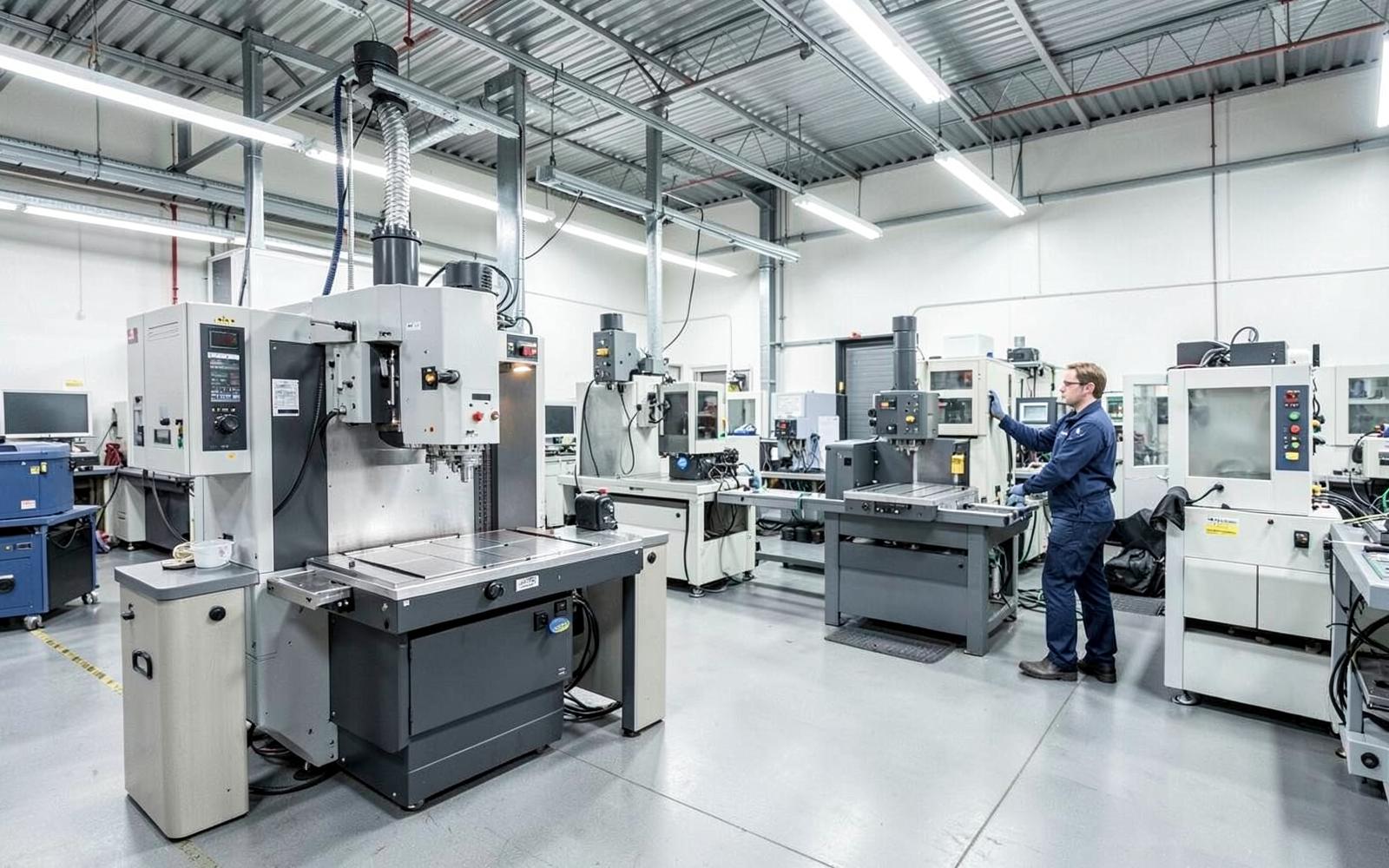
Commercial energy audits: what do they cost, what do they yield, and how do lenders evaluate them?
For many companies, an energy audit is the lowest-cost investment with the highest return — provided you select the appropriate audit type and translate the findings into a viable business case suitable for lender assessment.
Factoring or bank overdraft: what suits your debtors
Two popular working capital solutions work very differently; which one suits you depends mainly on the structure of your debtor book.
How much does factoring cost? Fees, breakdown, and the true cost per invoice
Factoring rates are rarely a single percentage. This article breaks down the cost structure — factor fee, interest, credit insurance, and administrative charges — and explains how to calculate the true cost per invoice and compare providers on an equal footing.
Fixed or variable rate on a commercial loan: considerations and risks
A fixed interest rate provides certainty, while a variable rate can work out cheaper but carries risk. The right choice depends on your business, not merely on current interest rates.
Finding and approaching an acquisition target in the region
Growing through acquisition starts with finding a suitable target and holding a constructive first meeting. This article outlines a practical roadmap, from initial orientation to first contact.

What SME finance costs today: how to properly evaluate an interest rate offer
At first glance, an interest rate offer looks like a straightforward percentage, but its underlying structure determines whether you are securing a competitive deal or overpaying.
Energy costs in your finance application: from variable overhead to core component of the business case
Energy has become one of the largest variable cost items for many businesses. Financiers therefore want to see how you manage this expense — and which savings are truly dependable.
Tight cash flow and restructuring: financing facing headwinds
A period of disappointing turnover or rising costs can put cash flow under pressure. This article discusses what financing options exist during a turnaround and how best to prepare for conversations with funders.
Startup financing in Eindhoven: Qredits, microfinance, and founder equity
Without trading history, securing startup capital differs markedly from an established commercial loan. Knowing the right channels and lending requirements saves time and prevents setbacks.

Rejected finance application: the most common reasons and your next steps
A rejection feels like a dead end, but is often simply an indication that the application file or structure does not yet align with what the lender requires. This article discusses common reasons and how to move forward.
Energy hub on the business park: sharing capacity when the grid is congested
Where individual grid upgrades are unavailable, collaboration can often create headroom. An energy hub pools the supply and demand of neighbouring businesses — with its own legal and financial ground rules.
Supply chain ESG reporting: what banks require for sustainable finance
Even if your business is not directly subject to the CSRD, corporate clients and lenders are increasingly requesting ESG data. Understanding what is expected prevents delays in your finance application.
International expansion: export finance, credit insurance and currency risk
Expanding internationally brings opportunities but also new risks: longer payment terms, exchange rates, and unfamiliar debtors. This article explains which financing instruments can help.
Financing EV charging infrastructure: from single charge points to charging hubs on business parks
An electric fleet requires dedicated charging capacity on site. What does it cost, how does it affect your grid connection, and how can you finance it without exhausting your credit facilities?
Investing in AI and digitalisation: business case and financing options
AI and digitalisation promise efficiency, but a lender will want to see a substantiated business case before discussing financing options.
Expanding or relocating in Brainport: grid connection, construction costs, and finance
Businesses looking to expand or relocate within the Eindhoven region often encounter grid congestion and lengthy lead times long before finance even enters the equation. This article outlines what you need to consider and how to build this into your financing plans.
Battery storage for businesses: when the business case adds up and how to finance it
A battery is not an end in itself, but a tool to shave peaks and make better use of on-site generation. This article explains when the numbers work and which financing structures are suitable.
Seasonal peaks and working capital: financing stock and staff in good time
Anyone seeing the same seasonal peak in stock or staffing recur each year can use that predictability to arrange the right financing in advance rather than improvising after the fact.
Fleet and commercial vehicles: outright purchase, financial lease or operational lease
Acquiring a commercial vehicle or company fleet can be done in several ways: buying outright with cash, financing via a commercial loan, financial lease, or operational lease. This article outlines the differences and helps you make a well-considered decision.
Energy audits and energy consultancy: the return before you finance anything
A solid energy audit is not a tick-box exercise, but the foundation of every sustainability investment. What does it contain, what does it cost, and how do you translate the advice into a financeable plan?
Tax debt or payment arrangement: what this means for your financing application
A payment arrangement with the Belastingdienst does not mean an automatic rejection by a lender, but it does require a solid explanation and the right sequence of steps.
Contracted capacity: why your grid connection is more often the bottleneck than your financing
Many businesses in Southeast Brabant are held back not by capital but by capacity: their grid connection simply cannot accommodate the next machine, heat pump, or EV charging hub. This article explains how contracted capacity works and which solutions can be financed.
Applying for business finance in Eindhoven: the step-by-step roadmap
From funding requirement to signed term sheet in eight steps — including the common pitfalls that cause regional applications to stall.
Unlocking working capital without new debt
Before applying for credit: seven measures to unlock liquidity directly from your balance sheet, often faster and always cheaper.
Financing in Brainport: why high-tech SMEs require bespoke structures
Long development cycles, capital-intensive manufacturing, and OEM dependencies require a vastly different capital mix from conventional SME term loans.
Wondering what is possible in your situation?
Submit your finance requirement. Within two working days, you will know which routes are realistic, what they cost and what is needed for a complete application file.